
Landscape project management is a meticulous process that requires precision, planning, and a deep understanding of both natural elements and human-made structures. A professional approach ensures that every phase of the project, from conception to completion, is executed seamlessly. In today’s fast-paced world, where efficiency and quality are paramount, timely transformations in landscape management are essential to meet client expectations and maintain the aesthetic and functional integrity of outdoor spaces. The first step in professional landscape project management is conducting a thorough site analysis. This involves assessing the existing conditions, including soil quality, drainage patterns, topography, and any existing vegetation or structures. By understanding the unique attributes of the site, managers can make informed decisions that enhance sustainability and functionality. Incorporating data from surveys, soil tests, and environmental impact assessments ensures that the project plan aligns with ecological considerations and regulatory requirements. Once the groundwork is laid, the next phase involves developing a comprehensive project plan. This plan acts as the blueprint, detailing every aspect from design concepts to execution timelines.
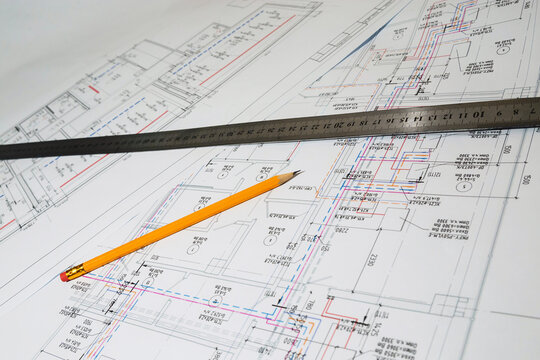
Effective communication between designers, horticulturists, engineers, and clients is crucial at this stage. Collaborative input helps in crafting innovative solutions that harmonize aesthetics with practicality. During this phase, potential challenges are anticipated, and contingency plans are devised to mitigate risks. The goal is to create a robust strategy that minimizes delays and cost overruns. Procurement and resource management follow the planning stage. Selecting quality materials, sourcing native plants, and ensuring the availability of necessary equipment are crucial for maintaining project momentum. A professional landscape project manager prioritizes sustainability by choosing eco-friendly materials and native species that require minimal maintenance. Efficient scheduling is also vital, as delays in material delivery can compromise the entire timeline. By fostering strong relationships with suppliers and maintaining a well-organized inventory system, managers can ensure that the project progresses smoothly. Implementation is where the vision comes to life. This phase requires skilled labor, precise execution, and constant supervision to maintain quality standards.
Skilled technicians, horticulturists, and landscape architects work in unison to bring the conceptual plan into reality. Regular monitoring and on-site adjustments are necessary to adapt to unforeseen challenges such as weather changes or unexpected soil conditions and visit site. Maintaining open lines of communication among team members helps resolve issues swiftly, keeping the project on track. Timeliness is a defining characteristic of professional landscape project management. Adhering to deadlines is essential not only for client satisfaction but also for preserving the landscape’s health and vitality. Delays in planting can lead to stress on vegetation, while unfinished structural elements can pose safety risks. Therefore, project managers implement strict timelines, incorporating buffer periods to account for variables beyond control. A proactive approach to time management helps achieve consistent results without compromising quality. Post-completion, the focus shifts to maintenance and long-term management. A well-maintained landscape enhances the value and appeal of the property, making ongoing care an integral part of the project.
